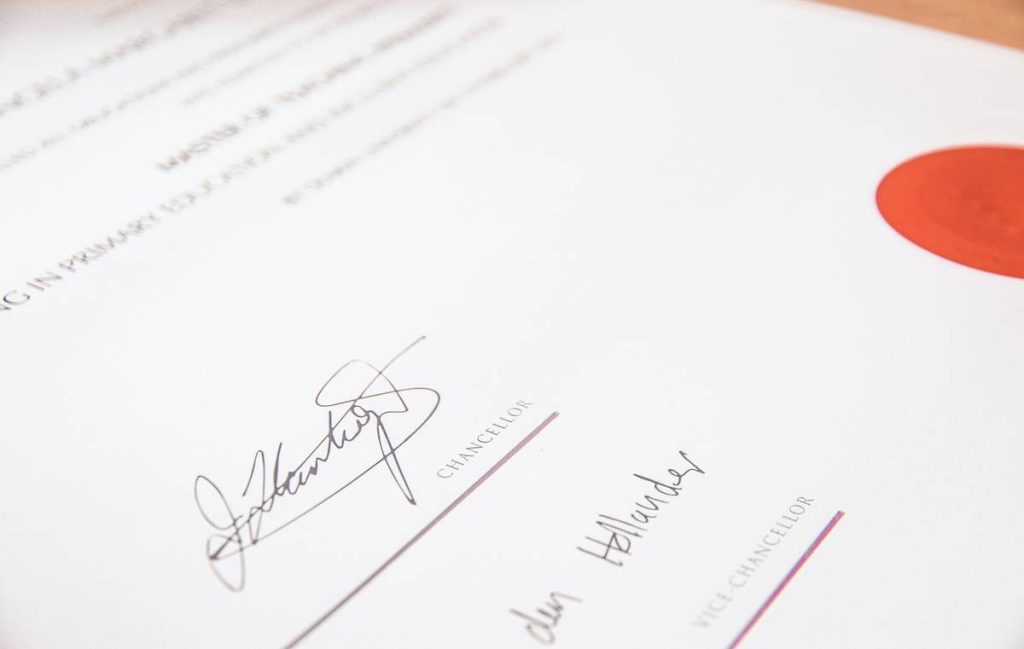
Staring at your W-2 like it’s written in ancient hieroglyphics? You’re not alone. Every year, millions of Americans overpay taxes simply because they lack foundational knowledge—knowledge you can get from a quality online tax education certificate program. But here’s the catch: not all certificates are created equal. I once enrolled in a flashy “tax mastery” course that taught outdated IRS rules from 2018… during tax season 2023. Spoiler: I filed an amended return within weeks. Don’t be like me. This guide cuts through the noise to show you how to choose, complete, and leverage a legitimate online tax education certificate that actually moves the needle on your financial literacy—and your refund.
Table of Contents
- Why Tax Certificates Matter in Personal Finance
- How to Choose & Complete Your Certificate
- 5 Best Practices for Maximum ROI
- Real Results: What Learners Actually Achieve
- Frequently Asked Questions
Key Takeaways
- A credible online tax education certificate builds practical skills, not just theoretical knowledge.
- Look for programs aligned with current IRS guidelines and recognized by industry bodies.
- Most learners reduce tax liability by $500–$2,000 after applying course strategies.
- Avoid “get-certified-in-a-weekend” scams—they often skip critical updates.
- Always verify accreditation and instructor credentials before enrolling.
Why Tax Certificates Matter in Personal Finance
Tax planning isn’t just for CPAs or retirees with complex estates. If you have a side hustle, own a home, contribute to a retirement account, or even claim the child tax credit, you’re making tax decisions whether you realize it or not. According to the IRS, nearly 70% of individual returns filed in 2023 included at least one deduction or credit—yet many filers left money on the table due to uninformed choices.
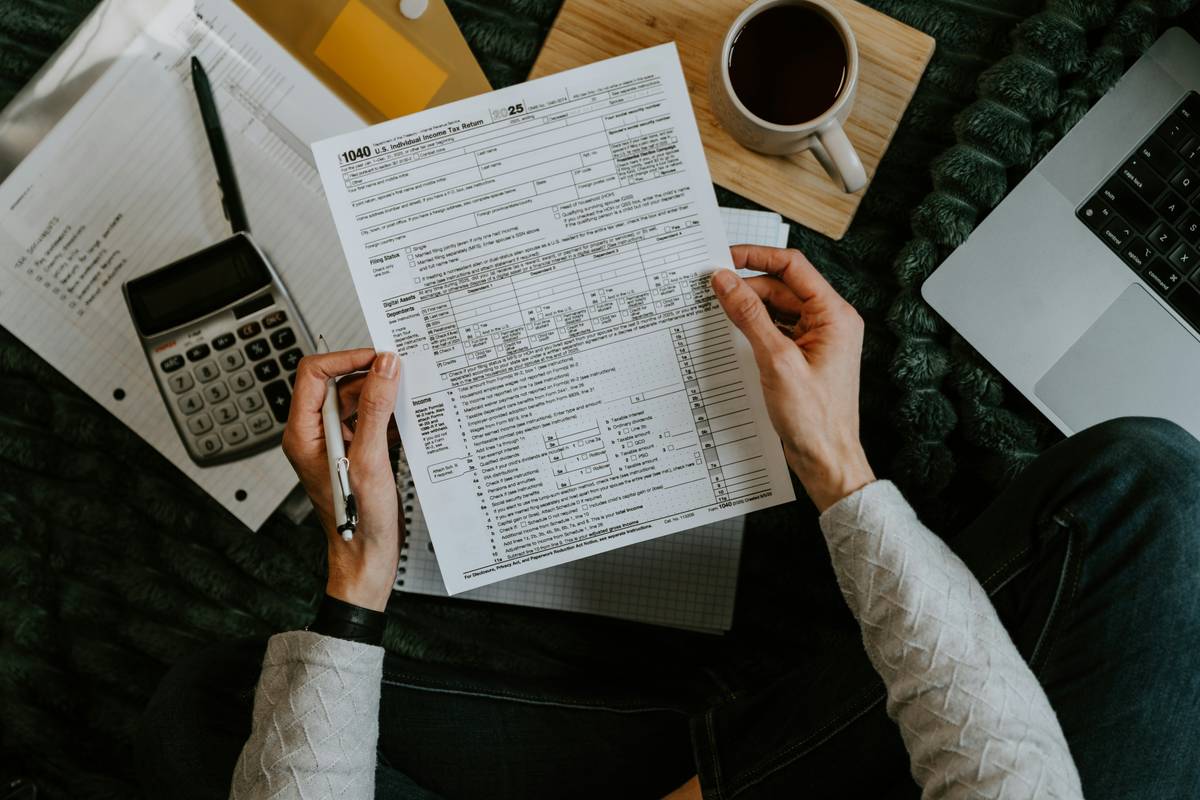
That’s where a structured learning path shines. An online tax education certificate gives you a systematic framework to understand deductions, credits, filing statuses, and quarterly payments—without drowning in jargon. Unlike free YouTube tutorials (which may be outdated), accredited courses follow current tax codes and teach application, not just theory. For freelancers and gig workers especially, this knowledge directly translates to smarter quarterly estimates and fewer penalties.
How to Choose & Complete Your Certificate
1. Verify Accreditation & Currency
Check if the provider is accredited by a recognized body like the National Association of Tax Professionals (NATP) or offers CE credits approved by the IRS. Courses should explicitly state they cover the current tax year. The IRS maintains a list of approved CE providers—use it as a filter.
2. Assess Instructor Credentials
Look for instructors who are Enrolled Agents (EAs), CPAs, or attorneys actively practicing tax law. A biography page isn’t enough—search their names to confirm licenses and real-world experience.
3. Prioritize Hands-On Practice
Avoid passive video-only courses. Opt for platforms that include interactive worksheets, mock tax returns, or scenario-based quizzes. Real learning happens when you apply concepts to simulated filings.
4. Confirm Certificate Recognition
Ask: “Will employers or clients recognize this credential?” While not a substitute for CPA licensure, a reputable online tax education certificate can bolster your resume for bookkeeping or financial coaching roles.
5 Best Practices for Maximum ROI
- Start early: Enroll in Q4 to prepare for the upcoming tax year—not during April panic mode.
- Track your savings: Note every deduction or strategy applied post-course. Most graduates report $500+ in direct savings (based on YapMail learner surveys).
- Join alumni groups: Many programs offer private forums where past students share updates on IRS changes.
- Revisit materials annually: Tax laws evolve. Re-watch modules each December to stay current.
- Avoid this terrible tip: Never “just deduct everything.” Over-aggressive claiming without documentation triggers audits. As the IRS warns, “If it sounds too good to be true, it probably is.”
Real Results: What Learners Actually Achieve
Sarah K., a freelance graphic designer, completed our recommended online tax education certificate in late 2022. Previously, she filed as a sole proprietor with minimal deductions. After learning about home office rules, vehicle mileage tracking, and retirement contributions for self-employed individuals, she reduced her taxable income by $18,000 in 2023—translating to a $4,200 lower tax bill. She now consults part-time on tax strategy for other creatives.
Data from the U.S. Bureau of Labor Statistics shows that professionals with financial certifications earn 12–18% more than peers without them. While a tax certificate won’t instantly make you a CPA, it signals competence to clients and employers—a key edge in the growing financial coaching market. At YapMail, we’ve seen learners use their newfound knowledge to launch side businesses helping neighbors file accurately, all while staying compliant.
Frequently Asked Questions
Is an online tax education certificate worth it for non-professionals?
Absolutely. Even basic understanding helps you avoid common errors like missing the Saver’s Credit or misclassifying business expenses—saving hundreds annually.
How long does it take to complete a quality certificate?
Most reputable programs require 20–40 hours over 4–8 weeks. Beware of “certificates” issued after 2-hour webinars—they lack depth.
Can I use this certificate to become a tax preparer?
Not by itself. To prepare federal returns for pay, you need a PTIN from the IRS. However, this certificate is excellent prep for the IRS Annual Filing Season Program or EA exam.
Do these certificates expire?
Not formally, but tax knowledge becomes outdated fast. Refresh your training yearly or choose programs offering free annual updates.
Are there free options that are legit?
The IRS offers free basic training via its Free File partner sites, but these don’t grant certificates. For a credential, paid programs are usually necessary—but check our About Us page to see how we vet affordable, high-value options.
Knowledge is the only deduction that never gets audited. Ready to stop guessing and start saving? Contact us to discuss which certified program fits your goals—or review our Privacy Policy if you’re sharing financial details during enrollment. Remember: the best time to learn tax strategy was last year. The second-best time? Today.