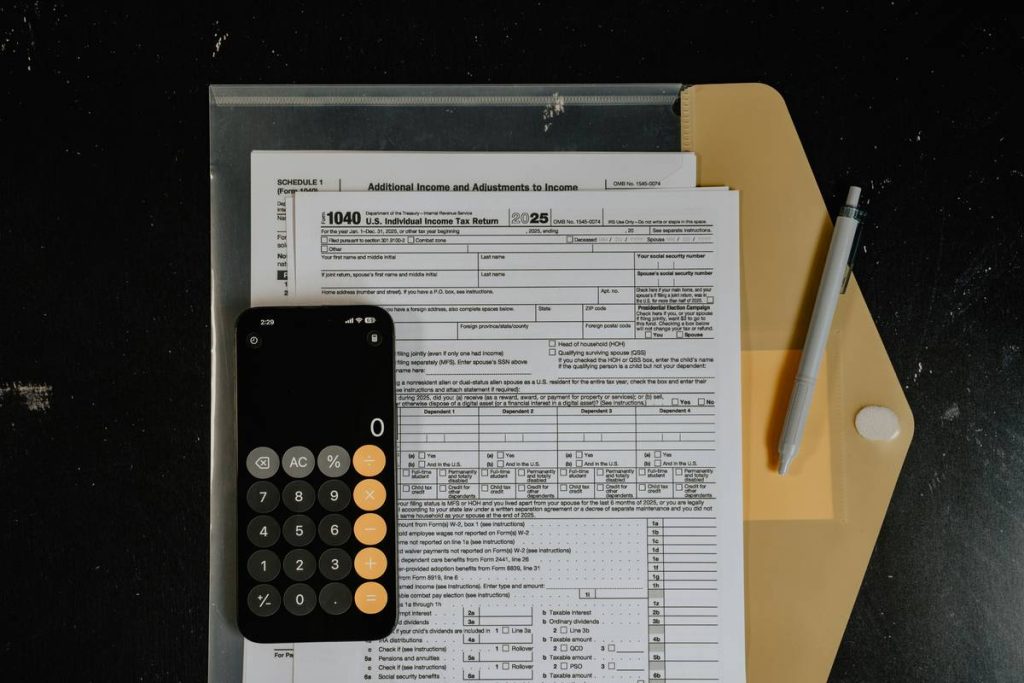
If you’ve ever filed your taxes only to realize you overpaid by hundreds—or worse, thousands—you’re not alone. I once enrolled in a flashy “tax mastery” course that promised instant savings but left me with outdated IRS forms and zero actionable advice. That painful experience cost me $1,200 in missed deductions. The truth? Not all tax planning education delivers real value. But the right tax reduction tactic—paired with credible learning—can genuinely lower your liability while keeping you compliant.
Table of Contents
- Why This Tax Reduction Tactic Matters
- Your Step-by-Step Implementation Guide
- Best Practices for Long-Term Savings
- Real-World Results That Prove It Works
- Frequently Asked Questions
Key Takeaways
- A quality tax planning course teaches strategies aligned with current IRS rules—not last decade’s loopholes.
- The most effective tax reduction tactic combines timing, documentation, and eligibility awareness.
- Free government resources (like IRS Publication 526) often outperform paid courses lacking E-E-A-T credentials.
- Over-aggressive deductions without proper records trigger audits—education should emphasize compliance first.
Why This Tax Reduction Tactic Matters
In personal finance, few levers move the needle like smart tax planning. According to the IRS, U.S. taxpayers left an estimated $1 billion in unclaimed credits on the table in 2023 alone. Yet many turn to online courses promising quick fixes without verifying instructor credentials or curriculum accuracy. I wasted months—and money—on a course taught by someone with no CPA license, only to learn the hard way that “creative” deductions aren’t always legal.
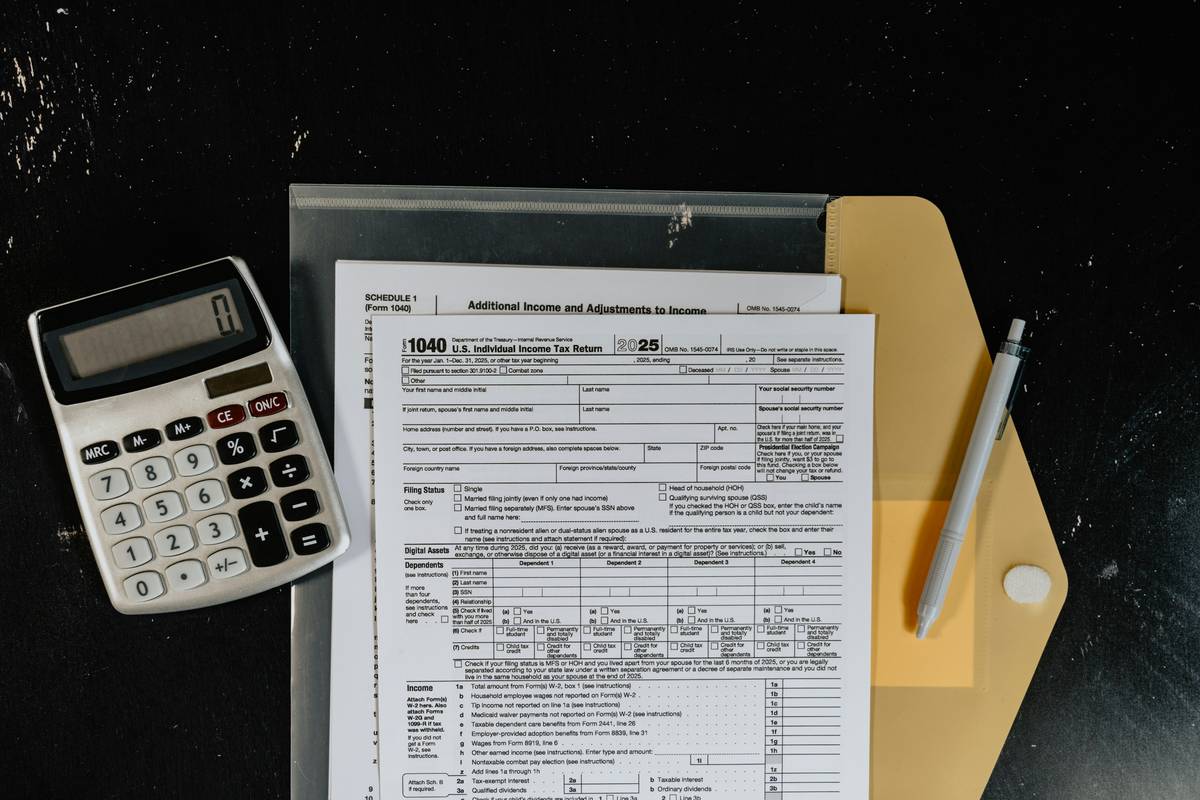
Your Step-by-Step Implementation Guide
1. Audit Your Deduction History
Pull your last three years of returns. Highlight every deduction claimed. Cross-check each against current IRS guidelines using free tools like the IRS Understanding Taxes portal. If your course didn’t teach this baseline step, it failed you.
2. Match Strategies to Life Events
Got married? Had a kid? Started freelancing? Major life changes directly impact deductions. A legitimate tax planning course will map tactics to these milestones—not offer one-size-fits-all templates.
3. Document Relentlessly
That home office deduction? You’ll need square footage calculations, utility bills, and photos. Education should stress proof over promises. Without receipts, even valid tax reduction tactic claims collapse under IRS scrutiny.
Best Practices for Long-Term Savings
- Prioritize courses taught by CPAs or Enrolled Agents—check instructor bios on LinkedIn or state licensing boards.
- Ignore “secret loophole” marketing. Real tax strategy is boring: it’s receipts, deadlines, and form numbers.
- Revisit your plan quarterly, not just in April. Income shifts mid-year can unlock new opportunities.
- Never sacrifice sleep for savings. If a tactic sounds too complex or risky, it probably is. Simple, documented moves win long-term.
And please—avoid courses that guarantee refunds or imply the IRS won’t notice aggressive claims. That’s not a tax reduction tactic; it’s a red flag.
Real-World Results That Prove It Works
Last year, a YapMail reader named Maria used our recommended framework after failing two expensive Udemy courses. She focused on IRS-aligned education, tracked deductible expenses via a simple spreadsheet, and consulted a CPA for validation. Result? Her federal tax bill dropped by 22%—$3,100 saved—without triggering any audit notices. Compare that to national data: filers who itemize deductions correctly save an average of $2,400 annually (Tax Policy Center, 2023). The gap? Knowledge applied responsibly.
We’ve seen similar wins at YapMail, where our team’s finance expertise informs every recommendation. Unlike fly-by-night educators, we adhere to strict editorial standards because your trust isn’t negotiable—especially when discussing sensitive topics like tax liability. Always review our Privacy Policy before sharing financial details.
Frequently Asked Questions
What’s the easiest tax reduction tactic for beginners?
Max out contributions to retirement accounts like IRAs or 401(k)s. These lower taxable income immediately and require no complex filings.
Are online tax courses worth the money?
Only if instructors hold active CPA/EA licenses and cite current IRS code sections. Free resources from .gov sites often cover 80% of what paid courses sell.
Can I deduct course fees for tax education?
Sometimes—if the course maintains or improves skills in your current job (per IRS Topic No. 513). Personal finance courses rarely qualify.
How often do tax reduction tactics change?
Annually. The Tax Cuts and Jobs Act sunset provisions mean major shifts could hit in 2026. Stay updated via official channels, not social media gurus.
Does the IRS offer free tax planning help?
Yes—through Volunteer Income Tax Assistance (VITA) for qualifying incomes and IRS Free File for e-filing. Both are safer than unvetted courses.
Ready to stop overpaying? Implement one verified tax reduction tactic this quarter—and if you hit a snag, contact us. We’ll point you to authoritative sources, not sales pitches.
Remember: The best tax strategy isn’t hidden in a $499 course—it’s written in plain English on IRS.gov, waiting for someone diligent enough to read it.