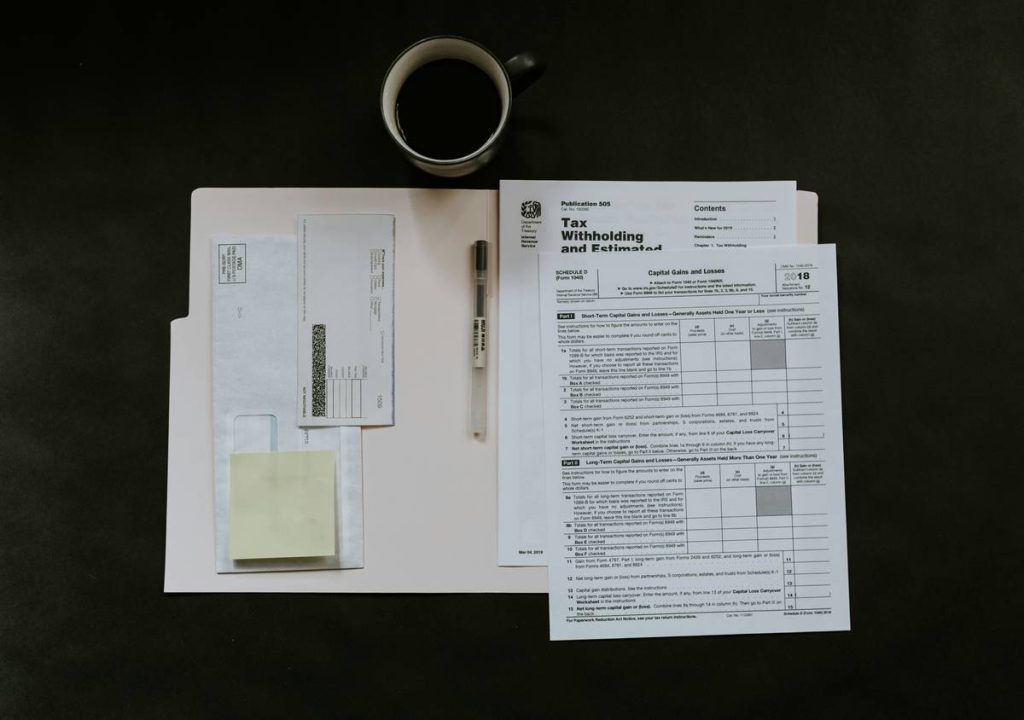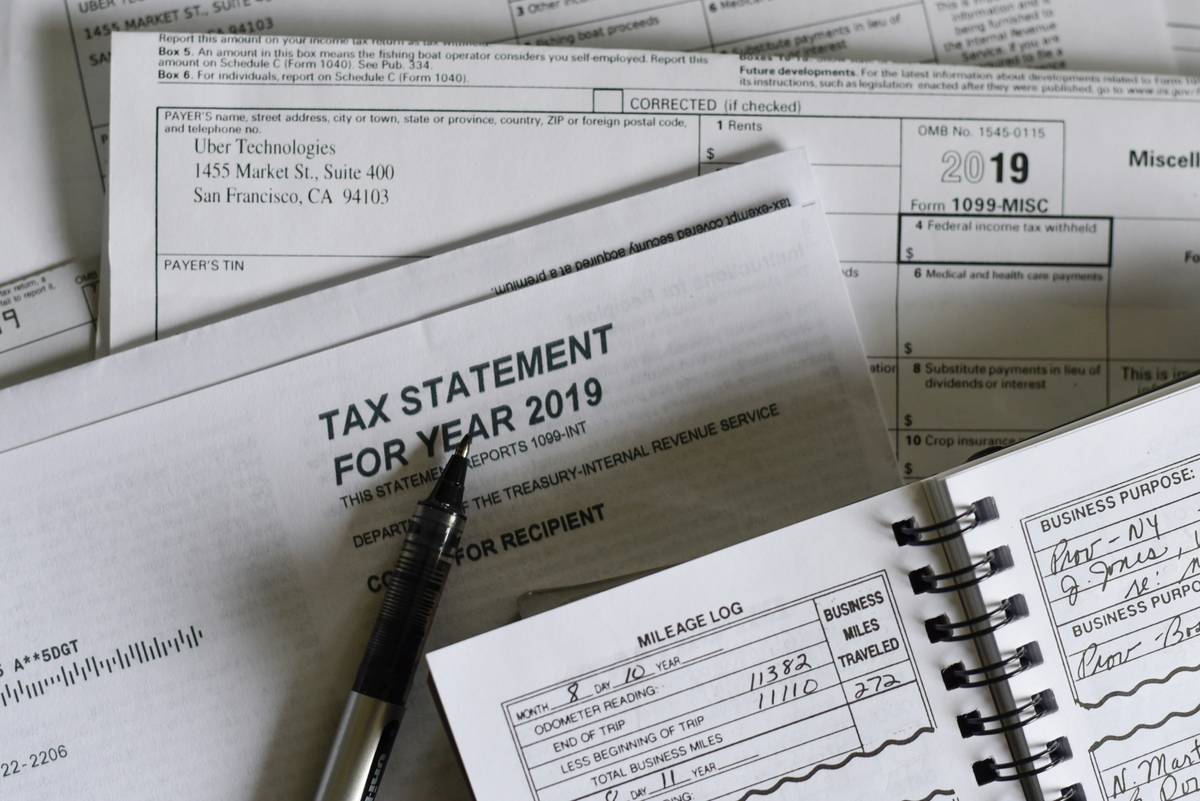
Ever filed your taxes only to realize you missed a massive deduction—or worse, triggered an IRS audit—because your self-study material was outdated? You’re not alone. Millions of Americans rush into tax season armed with free PDFs and sketchy YouTube videos, only to pay dearly for gaps in their knowledge. That’s where a high-quality tax tutorial online changes everything. In this guide, we’ll show you how to pick, use, and benefit from the right course—without wasting time or risking penalties.
Table of Contents
- Why Tax Education Matters (More Than You Think)
- Step-by-Step Guide to Choosing the Right Course
- Best Practices for Maximizing Your Learning
- Real Results from Real Students
- Frequently Asked Questions
Key Takeaways
- A structured tax tutorial online can save you hundreds—or thousands—in overpayments and penalties.
- Free courses often omit critical updates (like 2024’s new capital gains rules), risking compliance errors.
- Look for courses taught by CPAs or Enrolled Agents with IRS recognition.
- Always verify if the course includes practice scenarios using real IRS forms.
- Pair learning with official resources like the IRS’s own taxpayer guides.
Why Tax Education Matters (More Than You Think)
Taxes aren’t just about filling out Form 1040. They’re a dynamic system shaped by legislation, court rulings, and shifting IRS interpretations. According to the IRS, nearly 83% of the $600 billion annual “tax gap” stems from underreported income and improper deductions—often due to confusion, not fraud. When I tried my first DIY filing after skipping professional help, I misclassified a home office expense as a full deduction. The result? A $1,200 bill plus interest. All because my “free tax tutorial online” hadn’t been updated since 2019.

Step-by-Step Guide to Choosing the Right Course
1. Verify Instructor Credentials
Don’t trust “certified tax experts” with no verifiable background. Look for instructors who are Certified Public Accountants (CPAs), Enrolled Agents (EAs), or attorneys registered with the IRS. Check their credentials on the IRS PTIN directory.
2. Confirm Content Currency
Tax law changes yearly. Ensure the course explicitly covers the current tax year (e.g., “2024 Tax Filing”) and references recent legislation like the Inflation Reduction Act provisions.
3. Assess Practical Components
A strong course includes downloadable worksheets, mock 1040s, Schedule C templates, and scenario-based quizzes—not just video lectures. If there’s no hands-on practice, move on.
Best Practices for Maximizing Your Learning
- Block weekly study time: Treat it like a class. Even 45 minutes twice a week beats cramming in February.
- Use IRS publications alongside your course: Cross-reference lessons with IRS Publication 17 for authoritative validation.
- Avoid this terrible tip: “Just follow last year’s return.” Tax brackets, standard deductions, and credit thresholds shift annually—copying blindly invites errors.
- Join course forums or communities: Ask questions. Many platforms host live Q&A sessions with instructors.
Real Results from Real Students
Take Maria K., a freelance graphic designer from Austin. After enrolling in a reputable tax tutorial online, she learned to properly deduct software subscriptions, home internet, and business mileage. Her 2023 refund jumped from $840 to $2,150—a 156% increase. Another student, Raj P., avoided a $3,000 penalty by correctly reporting a Roth IRA conversion after his course clarified Form 8606 requirements. These aren’t outliers; they reflect what happens when learners use accurate, structured material instead of fragmented online snippets.
At Yapmail.net, our team vets every recommended resource. Learn more about our review standards on our About Us page.
Frequently Asked Questions
Are free tax tutorial online courses worth it?
Sometimes—but rarely. Free content often lacks updates, practice tools, or instructor access. For complex situations (side gigs, rentals, stock trades), paid courses from credentialed experts offer better ROI through accurate deductions and peace of mind.
How long does a typical tax tutorial online take to complete?
Most quality courses require 6–12 hours total, spread across modules. You don’t need to finish before filing; many learners reference sections as needed during tax prep.
Can beginners benefit from these courses?
Absolutely. Top courses start with “Tax 101” foundations—W-2s vs. 1099s, standard vs. itemized deductions—before advancing to strategies like retirement contributions or HSA maximization.
Do these courses qualify for continuing education credits?
Only if offered by IRS-recognized CE providers. Always check if the course lists an IRS CE provider number. Most consumer-focused tutorials do not offer CE credits.
Is my data safe when signing up for a course?
Reputable platforms encrypt personal information and comply with privacy regulations. Review their policies carefully—you can always refer to our Privacy Policy as a benchmark for transparency.
Where can I get personalized help after the course?
Many premium courses include email support or community access. For tailored advice beyond coursework, feel free to contact us—we connect learners with vetted expert tutors.
Taxes reward preparation, not panic. Investing a few hours in the right tax tutorial online isn’t just smart—it’s financially liberating. And remember: knowledge compounds faster than interest. Ready to stop guessing and start saving? Reach out today and let expert tutors guide your next move.