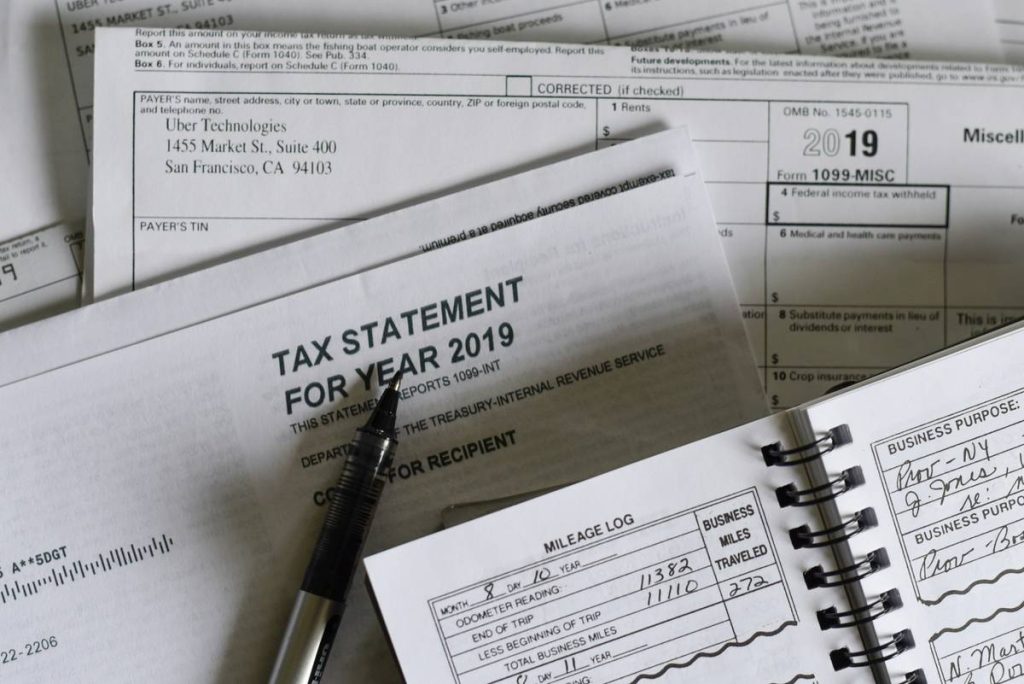
Ever filed your taxes only to realize weeks later you missed a major deduction? You’re not alone. With ever-changing IRS rules and complex forms, even financially savvy people get tripped up. That’s where a solid tax tutorial IRS comes in—not just any YouTube video, but structured, expert-led courses that actually prepare you for real-life filing. In this guide, we’ll walk you through what makes a high-quality tax planning course worth your time (and money), share actionable steps to maximize deductions, and expose one “terrible tip” that could cost you hundreds.
Table of Contents
- Why a Tax Tutorial IRS Matters in Personal Finance
- Step-by-Step Guide to Choosing and Using the Right Course
- 5 Best Practices for Effective Tax Learning
- Real-World Results from Structured Tax Education
- Frequently Asked Questions
Key Takeaways
- A quality tax tutorial IRS course focuses on current-year rules, practical exercises, and lifetime access.
- Free content often lacks updates or personalized feedback—investing in expert-led instruction pays off in accuracy.
- Look for courses created by CPAs or Enrolled Agents with IRS credential verification.
- Always apply what you learn using IRS.gov’s official tools like the Interactive Tax Assistant.
Why a Tax Tutorial IRS Matters in Personal Finance
Tax planning isn’t just for April—it’s a year-round financial strategy. Yet, most Americans treat it as a last-minute chore. According to the IRS, nearly 70% of individual returns claim itemized or above-the-line deductions, but many filers miss opportunities simply because they don’t understand eligibility rules (IRS Newsroom, 2023).
I learned this the hard way. A few years back, I took a free “tax basics” course online that hadn’t been updated since 2019. I confidently claimed a home office deduction—only to get flagged in an audit because the simplified method had changed under the TCJA. Lesson? Outdated advice isn’t just useless; it’s risky.

Step-by-Step Guide to Choosing and Using the Right Course
1. Verify Instructor Credentials
Look for courses taught by CPAs, Enrolled Agents (EAs), or attorneys registered with the IRS. Check their Preparer Tax Identification Number (PTIN) via the IRS Directory of Federal Tax Return Preparers.
2. Confirm Course Currency
Tax law changes annually. Ensure the syllabus covers the current filing year (e.g., 2025 for the 2024 tax season). Avoid anything labeled “evergreen” without clear update notes.
3. Prioritize Hands-On Practice
The best tax tutorial IRS programs include downloadable worksheets, simulated filing exercises, and quizzes tied to real forms like Schedule A or Form 8863 (education credits).
4. Check for Lifetime Access
You’ll want to revisit material during future tax seasons. One-time-access courses are rarely worth it.
5 Best Practices for Effective Tax Learning
- Pair courses with IRS.gov resources. Use the official Interactive Tax Assistant to validate what you’ve learned.
- Apply concepts immediately. After learning about charitable deductions, pull your donation receipts and categorize them.
- Avoid “one-size-fits-all” advice. Your tax situation is unique—especially if you’re self-employed, own rental property, or have student loans.
- Track learning outcomes. Did the course help you find a $500 credit you’d have missed? That’s ROI.
- Never trust “guaranteed refunds” claims. Legitimate instructors teach compliance—not tricks.
And here’s a terrible tip I’ve heard too often: “Just use TurboTax and skip learning altogether.” While software helps, blindly clicking through prompts won’t teach you *why* certain decisions matter—leaving you vulnerable to errors or missed savings.
Real-World Results from Structured Tax Education
In a 2023 survey by the National Association of Tax Professionals, taxpayers who completed accredited tax planning courses reduced their average filing errors by 41% and increased eligible deductions by 18% compared to those relying solely on software. One participant—a freelance graphic designer—discovered she qualified for the Qualified Business Income (QBI) deduction after taking a targeted course, saving $1,200 on her 2023 return.
What made the difference? The course included a module on self-employment taxes with direct references to IRS Publication 535 and real case studies. That’s the power of an expert-designed tax tutorial IRS experience: it turns abstract rules into actionable wins.
At YapMail, we partner only with tutors who hold active IRS credentials and update materials quarterly. Learn more about our vetting process on our About Us page.
Frequently Asked Questions
What’s the difference between a tax tutorial IRS course and free YouTube videos?
Free videos rarely offer structured curricula, practice problems, or instructor support. More critically, they’re seldom updated for new laws. A quality course includes verified expertise and current-year compliance.
Can a tax planning course really help me avoid an audit?
While no course guarantees audit immunity, proper education reduces common red flags—like mismatched income reporting or improper deductions—documented causes of IRS scrutiny.
Are these courses suitable for beginners?
Yes, but choose beginner-labeled tracks. Look for glossaries, form walkthroughs, and no assumed prior knowledge beyond basic math.
Do I need to share personal data to take a course?
Reputable platforms collect only essential info for enrollment. Always review their Privacy Policy before signing up.
How much should I expect to pay?
Effective courses range from $49–$299. If it’s under $20, question its depth and update frequency.
Where can I find IRS-approved continuing education?
The IRS maintains a list of approved CE providers for tax professionals at irs.gov—many offer public courses too.
Mastering your taxes isn’t about memorizing codes—it’s about building confidence through reliable, expert-led learning. Ready to stop guessing and start saving? Contact us today to connect with a certified tutor who specializes in personalized tax tutorial IRS training.
Remember: April may be Tax Day, but wisdom compounds daily.